|
|
In this edition of Fast Facts: |
|
- Why Farms are Becoming Key to Corporate Climate Goals
- New Equipment Financing Option Available
- Karleigh's Korner: Rethinking Manure Management
- Industry Watch: Methane Regulations are Moving Closer
- IWR Technologies Unveils New Website
- Take our Customer Feedback Survey
- Sign Up Today for Operator Training
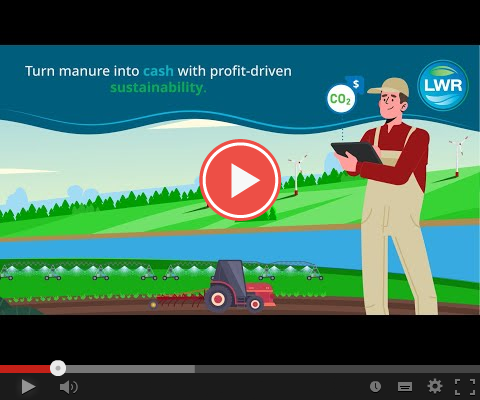
- Watch How We Make MORE from Manure
- Set Up Your grōCART™Account today
- What's Next? Mark Your Calendar!
|
|
|
|
WHY FARMS ARE BECOMING KEY TO CORPORATE CLIMATE GOALS
|
|
|
|
Many food and beverage companies are discovering that the majority of their climate impact does not come from their factories or offices. It comes from their supply chains, particularly agriculture.
Recent analysis from 3Degrees highlights that for most companies, emissions tied to fertilizer production, feed, transportation, and on-farm activities make up the largest portion of their climate footprint. These so-called Scope 3 emissions sit outside a company’s direct operations but are increasingly central to corporate climate commitments.
With 2030 targets approaching, companies are beginning to engage suppliers earlier and more directly. Rather than waiting for perfect data, many are starting with practical steps that reduce emissions in the highest-impact parts of the supply chain.
For producers, this shift is already starting to show up in conversations with processors, retailers, and supply chain partners. Nutrient management, fertilizer efficiency, manure systems, and emissions data are becoming part of how environmental performance is evaluated.
In some cases, farms are also being invited to participate in carbon programs that generate verified environmental credits tied to measurable reductions. The takeaway is simple. Climate commitments made in corporate boardrooms are increasingly measured in agricultural supply chains.
For farms that can demonstrate measurable nutrient recovery, emissions reductions, or verified carbon credits, this shift may represent not just a compliance challenge but a new opportunity.
|
|
|
|
NEW EQUIPMENT FINANCING OPTION AVAILABLE
|
|
|
|
Need to move forward with equipment or infrastructure upgrades in 2026? Our financing partner Financial Services Unlimited has introduced a new 5-year financing program designed to make getting started easier.
The program features a low-cost introductory period so producers can move ahead with projects now while keeping early monthly payments minimal. - First 3 months: $99 per month
- Next 57 months: Standard monthly installments
- Offer available until: April 30, 2026
*Financing is subject to credit approval.
If you’re planning system upgrades or new installations this year, this program could help move your project forward sooner while keeping cash flow predictable. Interested in learning how this financing option could support your next project? |
|
|
|
|
|
|
|
MANURE AS A SERVICE (MAAS)
|
|
Rethinking Manure Management for Modern Livestock Operations
|
|
Manure management is changing. And the business model around it is changing too.
Manure systems have long been treated as a cost of doing business in livestock production. Farms install infrastructure, purchase equipment, and then carry the responsibility of keeping everything running while managing nutrients, permits, storage, and land application.
But expectations around manure are shifting.
Producers today are being asked to do more than simply manage manure. Regulators want stronger nutrient tracking. Processors and retailers are looking for sustainability metrics. Carbon markets are emerging. At the same time, labor, land availability, and compliance pressures continue to grow.
In that environment, manure is starting to look less like a liability and more like an asset that needs to be actively managed.
One model gaining traction is Manure as a Service (MaaS).
Instead of purchasing and operating manure treatment infrastructure themselves, farms access advanced treatment through a service model. The focus shifts away from owning equipment and toward achieving outcomes such as improved nutrient management, cleaner liquids, emissions reductions, and measurable data.
Under a MaaS model, the technology, monitoring, optimization, and reporting are delivered through an ongoing service agreement. Systems are continuously monitored and adjusted so producers can stay focused on livestock production while manure becomes a managed revenue stream.
In practice, farms begin with an assessment of their manure characteristics and operational goals. Modular treatment systems are then deployed to recover valuable nutrients by separating solids and producing a cleaner liquid stream that is easier to manage and apply.
What makes MaaS different is the ongoing performance management that comes with it.
At Lash Legacy Dairy in Washington, a First Wave nutrient recovery system operating under LWR’s MaaS program is already generating verified carbon credits. Real-time monitoring through grōControl keeps the system optimized, while partners like 3Degrees handle the tracking, verification, and sale of credits.
The result is something producers are beginning to pay attention to. Manure systems that deliver measurable environmental performance and create new revenue streams.
As agriculture continues adopting service-based models in genetics, software, and energy, manure management is beginning to follow the same path. For farms navigating regulatory pressure, sustainability expectations, and carbon opportunities, Manure as a Service offers a practical way to turn manure from a cost center into a managed asset.
If you’re curious what a Manure as a Service model might look like on your farm, reach out. I'm happy to walk through how the technology, data, and revenue opportunities fit together in real-world operations.
|
|
|
|
|
|
KARLEIGH LEWIS FEATURED ON THESUCCESSFUL FARMING PODCAST
|
|
|
|
Karleigh Lewis, LWR's in-house Certified Crop Advisor and Account Manager, will be featured on the Successful Farming Podcast
to discuss how manure and wastewater management are evolving on modern livestock operations.
The conversation explores how advanced separation, real-time monitoring, and nutrient recovery technologies are helping producers turn manure from a management challenge into a measurable on-farm asset. Karleigh also shares practical insights on how data, controls, and nutrient management systems are working together to support better decision-making and new revenue opportunities for producers. The episode airs March 30.
|
|
|
|
|
|
METHANE REGULATIONS ARE MOVING CLOSER
|
|
|
|
California continues evaluating policies aimed at reducing methane emissions from livestock manure systems as part of the state’s broader climate strategy. Current targets call for reducing livestock methane emissions 40% below 2013 levels by 2030, increasing attention on technologies that can reduce emissions and document environmental performance.
Recent projects show how quickly this space is evolving. Pete Postma and Sons Dairy recently became the first dairy in California to receive verified carbon credits for methane avoidance using LWR’s First Wave™ manure separation system. Building on that success, eleven MORE California dairies have secured Dairy Plus funding to deploy similar systems designed to reduce methane emissions and improve nutrient management.
As regulations and supply chain expectations continue to evolve, manure systems are increasingly being evaluated not just for operational efficiency, but for their ability to deliver measurable environmental results.
California producers interested in carbon credits, nutrient recovery, or advanced manure separation can connect with our California distributor, Figure 8 Environmental, to learn more about active projects across the state.
|
|
|
|
|
|
IWR TECHNOLOGIES UNVEILS NEW WEBSITE
|
|
|
|
Livestock Water Recycling operates as part of IWR Technologies, a Canadian company specializing in advanced wastewater treatment and environmental remediation systems.
IWR has recently launched a new website highlighting the company’s broader capabilities across industrial sectors including oil & gas, mining, manufacturing, and environmental remediation.
Since its founding in 1989, IWR has designed and deployed more than 1,000 remediation and industrial wastewater treatment systems across North America and internationally. Projects have included major cleanup efforts at sites such as JFK Airport, O’Hare Airport, DEW Line installations in Canada’s North, and federally designated Superfund sites in the United States.
The same engineering expertise and separation technologies that power these industrial systems also support innovations in agricultural wastewater treatment through Livestock Water Recycling.
The new website provides an overview of IWR’s industrial treatment solutions, environmental remediation systems, and the technology platform that underpins LWR’s nutrient recovery and manure treatment systems.
|
|
|
|
|
|
|
|
|
|
We’re always looking for ways to improve how we support producers and partners. If you’ve worked with us, we’d appreciate a few minutes of your time to share feedback on your experience. The survey takes about 4 minutes and will help guide how we improve our technology, service, and support. Your responses are confidential, and contact information is optional.
Thank you for your continued trust in LWR.
P.S. DYK that we offer a $5,000 referral incentive for qualified projects?!
|
|
|
|
|
|
SIGN UP TODAY FOR OPERATOR TRAINING
|
|
|
|
Operator training is one of the best ways to protect your investment and keep performance strong. Our next round of training sessions will cover optimization, maintenance routines, data insights, and real world troubleshooting. Operators leave with practical tools they can use the very next day on site.
If you would like to reserve seats for your team or get on the list for upcoming dates, let us know today!
|
|
|
|
|
|
WATCH HOW WE MAKE MORE FROM MANURE
|
|
Want to see how we squeeze MORE from every drop of manure? See the whole manure-to-value story in just one minute!
|
|
|
|
|
|
|
|
SET UP YOUR
grōCART ACCOUNT TODAY |
|
|
|
Managing consumables does not need to be complicated. grōCART is an online ordering platform that connects directly to your system usage so restocking is simple and predictable. With grōCART you get:
-
Real time access to place orders
-
Suggested reorder windows based on your site data
-
A direct connection to the support team
Your time is valuable and your inputs are critical. Setting up your grōCART account today is one small step that keeps everything running smoothly.
|
|
|
|
|
|
THE LWR HELP DESK IS LIVE |
|
|
|
The LWR Help Desk is now fully live and supporting customers every day.
Through a single portal you can:
-
Search manuals, guides, and FAQs
-
Chat with our AI assistant or connect with a ManureExpert
-
Submit and track service tickets in My Area
-
Join the community forum to share ideas and questions
It is the fastest path to answers and support so your system stays optimized and downtime stays low.
|
|
|
|
|
|
WHATS NEXT? MARK YOUR CALENDAR! |
|
|
|
- March 8 – International Women’s Day A global day recognizing the achievements and contributions of women across industries, including agriculture, science, and environmental leadership.
- March 14 – Pi Day A science and mathematics celebration referenced by engineering, research, and ag-tech communities.
- March 15–21 – National Agriculture Week (USA) A week dedicated to celebrating the role agriculture plays in feeding, fueling, and sustaining the world.
- March 18 – Global Recycling Day Promotes circular economy practices and responsible resource recovery.
- March 22 – World Water Day A United Nations observance highlighting global water sustainability and responsible water management.
- March 24 – National Agriculture Day (USA) Theme for 2026: “Agriculture: Together We Grow – Celebrating 250 Years of Progress in Agriculture.”
- March 30 – Successful Farming Podcast featuring Karleigh Lewis A conversation about how manure and wastewater management systems are evolving and how technologies like nutrient recovery and real-time monitoring are helping producers make better decisions on farm.
|
|
|
|
Give Us the Gift of Feedback
|
|
Whether you are an existing client, a future customer, an investor, or a
cheerleader, we'd love to hear from you!
|
|
|
|
|
|
To ensure our updates continue to land right where they belong - in
your inbox - be sure to give us a virtual high-five by marking this
email as safe or adding us as a trusted contact!
|
|
|
|
|
|
|
|
This edition of Fast Facts has been prepared by:
|
|
|
|
|
|
|
|

.png)




.png)