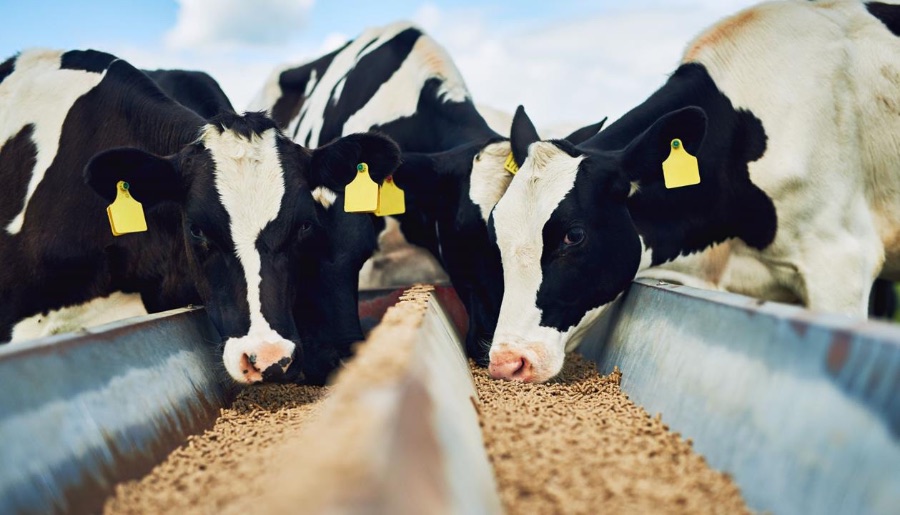
Dairy herd standing in a barn, tinted blue

Home / Carbon Credits

Livestock Carbon Credits

The manure you already handle can pay you twice. LWR farms are earning verified carbon credits today — the first chemical solid separation methane avoidance credits issued under VERRA.

#1

First Chemical Solid Separation Credits Under VERRA

4-8

Estimated Credits Per Cow, Per Year

6

Farms Generating Verified Credits in 2026

98.5%

Suspended Solids Removed by First Wave™

Methane avoidance credits

Separate the solids. Avoid the methane. Measure everything.

Would you like a new revenue stream from manure you already handle?

A carbon asset backed by continuous, verifiable farm data?

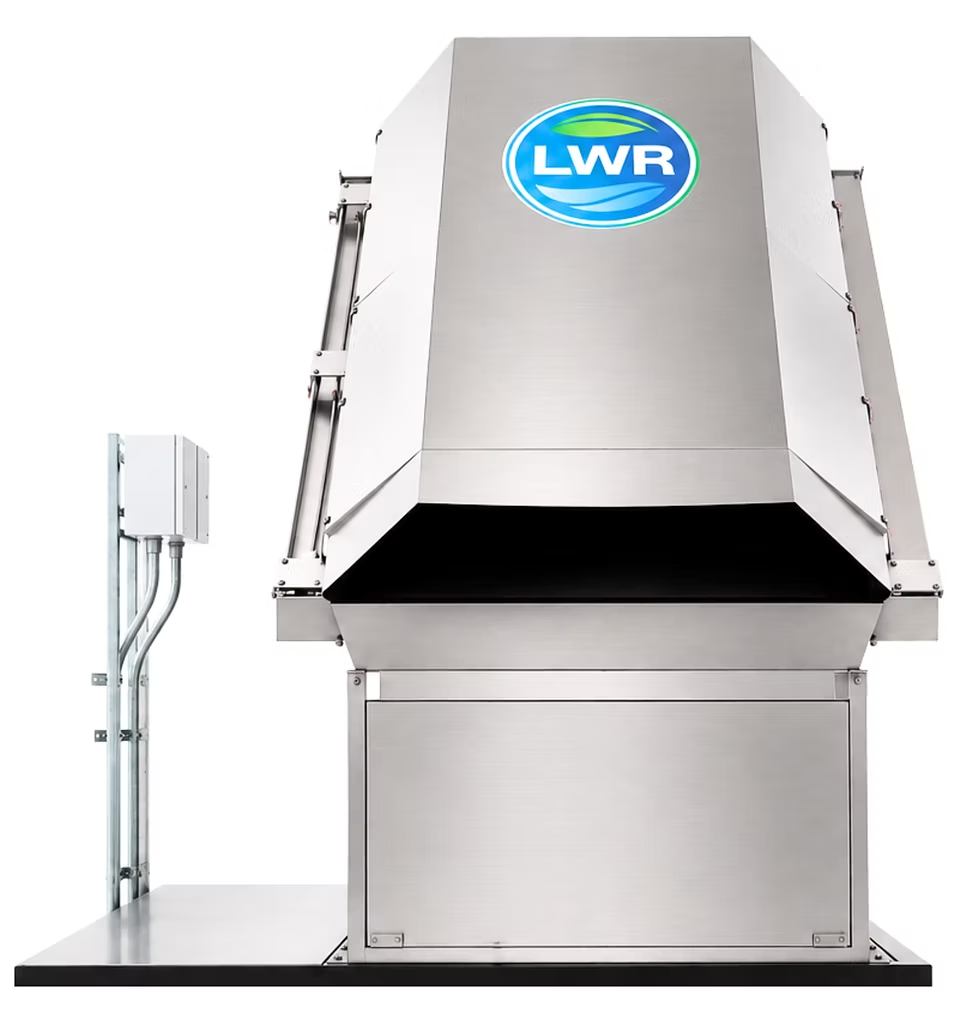
Methane forms when volatile solids break down anaerobically in lagoon storage. For dairy, hog and other livestock operations, FIRST WAVE™ removes up to 98.5% of suspended solids before the slurry reaches storage — preventing the methane those solids would have produced from forming. Every metric ton of CO2e avoided can represent one verified carbon credit, turning better manure management into a potential new revenue opportunity.

  • High-efficiency chemical flocculation and screening
  • Continuous flow, solids and performance data logging
  • Quantified against the protocol baseline and independently validated
  • Issued and monetized by our carbon partners
SEE THE REVENUE POTENTIAL
The revenue potential

WHAT CAN YOUR HERD EARN?

Each cow can generate an estimated 4–8 carbon credits a year. Move the sliders for a rough annual range — then let us run the real numbers for your operation.

7,400 cows
25015,000
$34
$5$50
4 – 8
4 (conservative)8 (upper)

Estimated annual credits

29,600 – 59,200

Tons of CO2e avoided per year

Annual value

$1.01M – $2.01M

Over 10 years

$10.1M – $20.1M

Illustrative only. Actual credit volumes depend on herd, manure handling, baseline conditions and protocol methodology; actual value depends on contracted price at time of sale. Historical carbon credit pricing has varied significantly and past pricing is not a forecast. Nothing here is an offer or a guarantee of revenue.

Run my real numbers

PROVEN ACROSS NORTH AMERICIAN OPERATIONS

Where our systems are generating carbon credits

Systems are installed across 14 U.S. states and 5 countries globally. Highlighted states carry active carbon credit projects today. Hover or tap a state for detail.

MaineNo installation yet
  • Active carbon credit project
  • LWR system installed
  • No installation yet
  • Farm generating verified credits

6

Farms generating verified carbon credits in 2026, with more entering validation.

25000+

Tons of CO2e credits created across our two flagship dairy projects.

PROVEN TECHNOLOGY, MEASURABLE IMPACT

TWO PROJECTS. TWO OWNERSHIP MODELS.

Case Study 01 · Washington

Verified methane avoidance on the first LWR carbon credit project

10,000

Tons of carbon credits created to sell


  • Improved flush system across the operation
  • Reduced SCC and mastitis — healthier cows, happier herds
  • Over $400,000 saved in trucking costs for liquid manure
  • Better community relations — neighbours commend the farm for reduced odours

Case Study 02 · Washington

Manure as a Service with FIRST WAVE™ 85 and grōCONTROL™

15,000+

Tons of carbon credits created to sell


  • New revenue from verified credits — predictable income from a proven carbon asset
  • Expanded herd capacity with zero-capex installation and ongoing optimization
  • Automatic tracking and reporting of verified CO2e reductions
  • More capacity, no capital cost

Questions

The questions we get asked most

What exactly is a methane avoidance credit?

One credit represents one ton of CO2e that was prevented from being emitted. In this case, high-efficiency liquid/solid separation removes volatile solids before lagoon storage, so the methane those solids would have produced is never formed. The reduction is quantified against a baseline, independently validated, and issued by a registry.

Why does chemical solid separation matter for credits?

LWR's FIRST WAVE™ is the first system to issue chemical solid separation methane avoidance credits under VERRA. Being first means the protocol pathway is established and proven — a credible, repeatable route to issuance rather than a first-of-its-kind experiment.

How many credits can a farm generate?

Each cow can generate an estimated 4–8 carbon credits per year through methane reduction. The actual figure depends on herd size, existing manure handling, baseline storage conditions and the protocol methodology applied. Use the estimator above for a directional range, then we will model your specific operation.

Who handles the registry paperwork?

Not the farm. LWR provides system startup, data-driven support and ongoing optimization. Our carbon partners, quantifies the methane reductions and manages credit creation and monetization. Independent standards and registries validate the project and provide the verification framework.

Do we need capital to start a carbon project?

No. Manure as a Service is a monthly subscription with zero-capex installation — farmer operated, LWR supported — and it is the model best suited to carbon-focused partnerships. Lease-to-own with 5-year financing and immediate capital purchase are both available as well.

Can we stack carbon with other incentives?

Yes — that is the design intent. Carbon credits come first, with feed additive adoption programs, water benefits and credits (under development), and future incentive programs layering onto the same measured data foundation.

What benefits come before the credits do?

The farm-level gains start with the system. Increased nutrient control, crop productivity, herd capacity and off-farm nutrient sales; decreased hauling costs, nutrient losses, odours, mastitis and SCC. On our Washington project, over $400,000 was saved in liquid manure trucking costs alone. These figures come from a single farm installation — results vary with your current operations and management practices.

WEBINAR

HAVE YOU SEEN
OUR WEBINAR?

Discover how livestock producers can turn smarter manure management into measurable methane reductions and potential new revenue. Our Carbon Credits Webinar breaks down how carbon markets work, what makes a project eligible, and how LWR can help turn environmental impact into financial opportunity.

Quick & easy

Let's model the carbon opportunity for your project

Data driven, protocol backed, and flexible to finance. Tell us about the operation and we will come back with a quantified view of the credits, the timeline and the ownership model that fits.

EMAIL OUR CARBON TEAM

NEWSLETTER SIGN-UP

Private, Secure, Spam Free